Defining the Modern Portable Powerhouse
The resurgence of the Handheld PC (HPC) marks a pivotal shift in personal computing. Once relegated to niche categories like Personal Digital Assistants (PDAs), the modern HPC has evolved into a formidable, multi-purpose device that challenges the traditional dominance of laptops and even full-sized desktops.
Driven by leaps in semiconductor technology, particularly in high-efficiency, powerful mobile processors, these compact devices deliver near-desktop-level performance in a pocketable or easily carriable form factor. This comprehensive analysis explores the history, technological breakthroughs, market segmentation, and profound implications of this renewed emphasis on ultra-portable, uncompromised computing. The rise of the HPC is fundamentally changing how we define productivity, gaming, and on-the-go data management.
Historical Context and Evolution of Portable Computing
To understand the current boom, one must first trace the lineage of devices that attempted to deliver PC functionality in a small package, highlighting the technological barriers they faced.
A. The Early Pioneers: PDAs and Sub-Notebooks
The conceptual foundation for the HPC was laid by devices constrained by size, battery life, and processing power.
-
A. The PDA Era (1990s): Devices like the PalmPilot and early Windows CE handhelds focused primarily on calendaring, contacts, and basic note-taking. Their operating systems were fundamentally distinct from desktop environments, severely limiting application compatibility and power.
-
B. Ultra-Mobile PCs (UMPCs): Microsoft’s later attempt to bridge the gap with devices running full Windows OS, such as the Origami Project devices. While conceptually strong, these suffered from poor battery life, excessive heat generation, and prohibitively high costs, largely due to inefficient early-generation mobile x86 processors.
-
C. Netbooks and Mini-Laptops: These devices, popular in the late 2000s, were the first to offer full PC functionality at a low price point, but their larger form factor, reliant on physical keyboards, precluded true handheld operation and compromised portability.
B. The Technological Catalyst: Processor Miniaturization
The critical turning point came with the development of power-efficient, high-core-count processors and improved thermal management solutions.
-
A. AMD’s Ryzen APUs and Intel’s Core U-Series: The adaptation of these high-performance but low-TDP (Thermal Design Power) chips was essential. Specifically, AMD’s integration of powerful RDNA graphics cores onto the CPU die (Accelerated Processing Units) provided the necessary graphical horsepower for modern applications and gaming, overcoming the historical reliance on weak integrated graphics.
-
B. LPDDR5 and NVMe Storage: The transition to ultra-fast, low-power memory standards (LPDDR5/5X) and high-speed NVMe Solid State Drives (SSDs) eliminated bottlenecks, ensuring that the entire system could load and process data at speeds comparable to high-end desktop machines.
-
C. Advanced Cooling Solutions: The integration of sophisticated, custom-designed cooling systems often involving vapor chambers, micro-fans, and specialized heat pipes became standard, allowing these small devices to sustain high performance under load without throttling.
The Modern Handheld PC Landscape: Segmentation and Applications
The current market is highly segmented, driven by distinct user needs: productivity, entertainment (gaming), and enterprise data management.
A. The Gaming Handheld PC Sub-Category
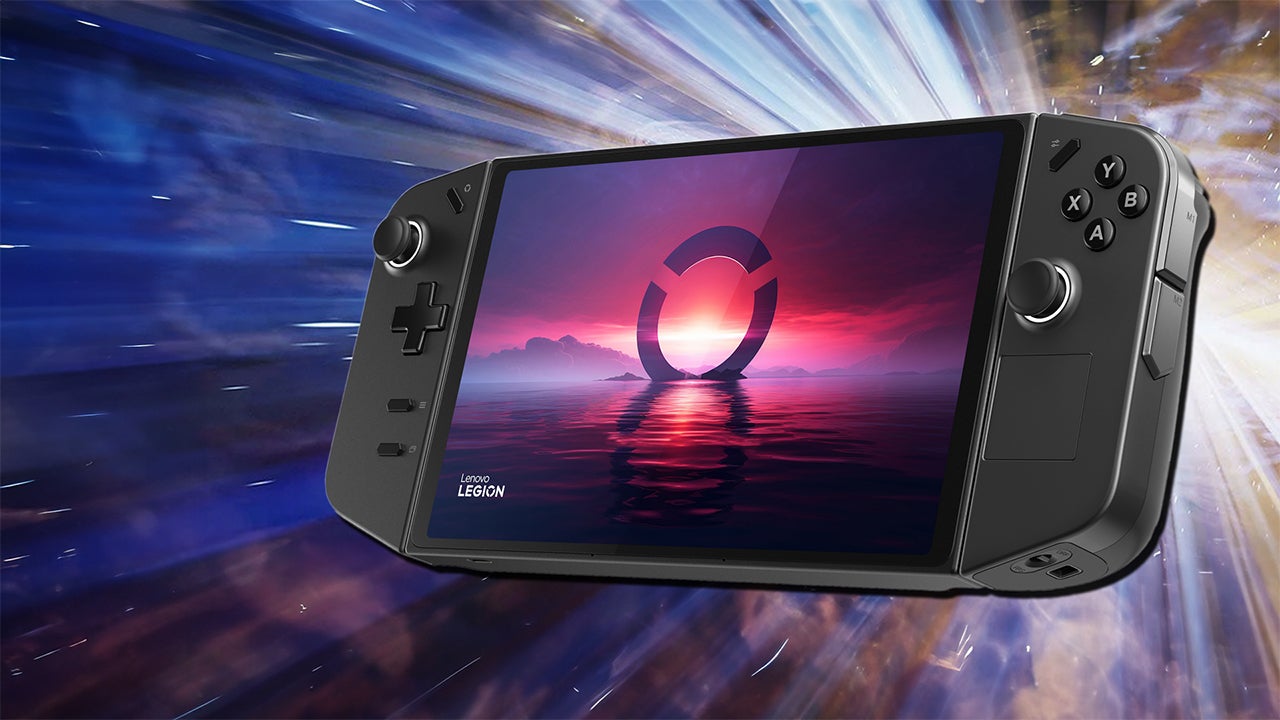
This segment, popularized by the success of the Steam Deck and subsequent devices from manufacturers like ASUS and Lenovo, represents the largest commercial driver of the HPC market.
-
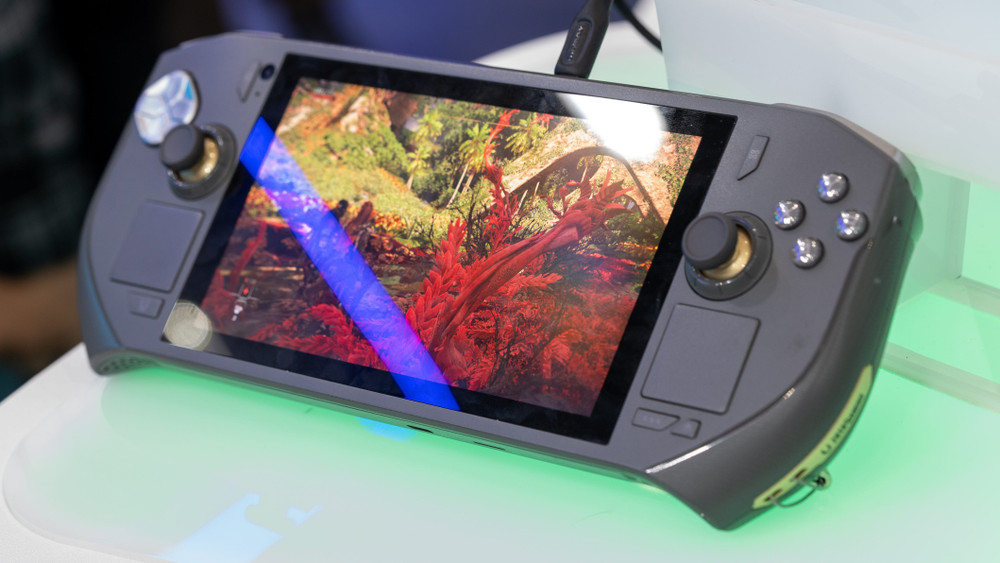
A. Dedicated Gaming Controls: Featuring integrated, non-detachable controls, including Hall-effect joysticks, configurable back paddles, and ergonomic grips, providing a console-like experience with the versatility of a PC.
-
B. Optimized Operating Systems: Utilizing customized operating system layers (e.g., SteamOS on the Steam Deck, or manufacturer overlays on Windows devices) to simplify the user interface, centralize game libraries, and facilitate seamless game launching.
-
C. Variable Refresh Rate (VRR) Displays: Integration of high-quality OLED or LCD panels with VRR technology to minimize screen tearing and stuttering, crucial for competitive and fluid gaming experiences.
-
D. External GPU (eGPU) Support: Many models feature high-bandwidth ports, such as Thunderbolt 4 or OCuLink, allowing users to connect external desktop graphics cards, transforming the handheld into a powerful desktop gaming rig when docked.
B. The Productivity-Focused Handheld PC (Mini-Laptops)
These devices prioritize portability and full PC functionality for business and professional use cases.
-
A. Full-Sized, Backlit Keyboards: Featuring sliding, folding, or full-clamshell keyboards that offer a typing experience closer to a traditional laptop, essential for extended document creation and coding.
-
B. Multiple High-Speed I/O Ports: Including multiple USB-C (DisplayPort enabled), USB-A, and often dedicated video outputs (HDMI) to maximize connectivity with external monitors and peripherals.
-
C. Stylus Support and Convertible Displays: Many models feature 360-degree hinges and active stylus support, allowing them to function as tablets for drawing, note-taking, and presenting.
C. Enterprise and Industrial Handhelds
A highly specialized segment focused on ruggedness, data capture, and operational reliability in harsh environments.
-
A. Ruggedized Chassis: Built to military standards (e.g., MIL-STD-810H) for resistance to drops, vibration, dust, and water ingress, essential for field workers, logistics, and warehousing.
-
B. Integrated Data Capture Hardware: Incorporating specialized tools like 1D/2D barcode scanners, RFID readers, and thermal cameras directly into the device chassis, making them purpose-built tools rather than consumer electronics.
-
C. Long-Life, Swappable Batteries: Designed with hot-swappable battery systems to ensure continuous operation throughout multi-shift workflows without requiring device downtime for charging.
Technical Deep Dive: Performance and Thermal Management
Achieving desktop-level performance in a small form factor requires significant engineering feats, particularly in managing power efficiency and heat dissipation.
A. The Power Efficiency Equation (Performance per Watt)
The success of the modern HPC hinges on maximizing output while minimizing power consumption, measured in Watts.
-
A. Granular TDP Control: Allowing users or the operating system to dynamically adjust the processor’s Thermal Design Power (TDP), enabling silent, long-lasting battery mode (low TDP) or maximum performance (high TDP) when connected to external power.
-
B. Advanced Fabrication Processes: Leveraging leading-edge semiconductor nodes (e.g., TSMC N4 or N3) to pack more transistors into a smaller die area, reducing power leakage and increasing clock speeds efficiently.
-
C. Battery Technology Improvements: Employing high-density lithium-polymer battery cells and sophisticated battery management circuits to safely maximize the available capacity within a tight physical envelope.
B. Engineering the Thermal Constraints
Heat is the primary enemy of performance in small devices; innovative cooling is paramount.
-
A. Dual Fan and Vapor Chamber Systems: Utilizing custom-designed vapor chambers—thin, flat heat pipes that efficiently spread heat across a wide surface area—paired with miniaturized, high-RPM dual fans to exhaust heat quickly.
-
B. Liquid Metal Thermal Interface Material (TIM): Applying liquid metal compounds instead of traditional thermal paste between the processor die and the cooling system base plate to achieve superior heat transfer efficiency.
-
C. Chassis Material Selection: Employing materials like magnesium-aluminum alloys for the chassis, which serve as excellent passive heat dissipators while maintaining low device weight.
Market Impact and Future Projections
The rise of the HPC is not just a trend; it is generating new economic models and altering consumer expectations for portability.
A. Disruption of the Console Market
The HPC provides a direct challenge to traditional gaming consoles by offering a similar handheld experience but with access to the entire PC gaming library (Steam, Epic, GOG).
-
A. Platform Agnosticism: Users are not tied to proprietary hardware ecosystems but can run virtually any operating system or gaming platform available for the PC architecture.
-
B. Backward Compatibility: Full access to decades of PC games, which is a significant advantage over consoles that often require re-releases or specific emulation layers for older titles.
B. The “One Device” Ecosystem
HPCs are pushing the boundary of convergence, aiming to be the singular device that handles mobile, desktop, and entertainment needs via docking solutions.
-
A. USB4/Thunderbolt Docking: A single cable connection allows the device to transform instantly into a full desktop workstation, powering multiple high-resolution monitors, a mechanical keyboard, and external storage while simultaneously charging.
-
B. Cloud-Integrated Operating Systems: Future HPCs will likely see even deeper integration with cloud services, utilizing local compute power for immediate tasks and offloading intensive rendering or processing to cloud infrastructure.
C. The Role of AI in HPC Performance
Future iterations of HPCs will leverage on-device AI accelerators (NPUs) to enhance performance and battery life.
-
A. AI-Powered Upscaling: Utilizing technologies like NVIDIA DLSS or AMD FSR (Frame Generation) run through dedicated NPU cores to render games at low resolution and use AI to upscale them to native display resolution, dramatically boosting frame rates with minimal power cost.
-
B. Predictive Power Management: NPUs will analyze usage patterns in real-time to preemptively adjust processor clock speeds and power states, maximizing battery life before the user even realizes power is low.
Challenges and Hurdles to Mass Adoption
Despite the technological advancements, the HPC segment faces several barriers to achieving mass-market dominance.
A. Software Optimization and UI/UX
Running full desktop operating systems on small screens and with controller input presents significant user experience issues.
-
A. Legacy Application Scaling: Many older Windows applications are not optimized for touch or high DPI displays, leading to tiny, unusable interface elements on 7- or 8-inch screens.
-
B. Controller vs. Keyboard Conflict: Seamless switching between controller input (for gaming) and keyboard/mouse input (for productivity) remains a complex software challenge that needs further refinement.
B. Price and Component Costs
The high-end HPC remains an expensive niche product due to the premium components required for performance and cooling.
-
A. Specialized Display Costs: High-refresh-rate, VRR, OLED panels designed for these specific sizes are expensive to manufacture, driving up the final retail price.
-
B. Licensing and Ecosystem Investment: Manufacturers must invest heavily in custom driver optimization and user interface development, costs which are passed on to the consumer.
C. Thermal Management Limitations
While cooling has improved dramatically, the fundamental physics of heat dissipation limit maximum sustained performance.
-
A. Acoustic Profile: To keep temperatures low, the small fans must spin very fast, leading to noticeable fan noise (“whine”) under heavy load, impacting the quiet enjoyment often expected of a portable device.
-
B. Grip and Surface Temperatures: Direct contact with the chassis means that heat generated by internal components can lead to uncomfortably high surface temperatures in the areas where the user grips the device.
Conclusion
The modern Handheld PC represents the ultimate realization of the dream of pocketable, uncompromised computing power. Fueled by advancements in power-efficient APUs, sophisticated thermal engineering, and the rising demand for truly portable high-fidelity gaming, the HPC is establishing itself as a crucial device in the personal technology ecosystem.
It is blurring the lines between PC, console, and tablet, giving consumers unprecedented freedom and flexibility. As costs decrease and AI integration continues to enhance performance-per-watt, the Handheld PC is poised to move from a enthusiast’s choice to a mainstream device, signaling the start of a new, truly mobile era in computing history.