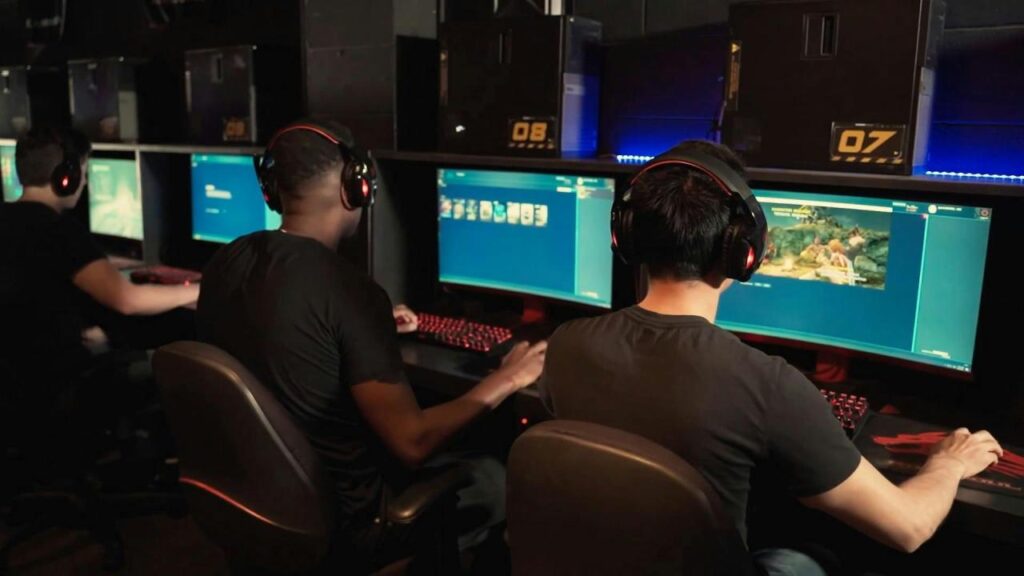
The modern video game industry, increasingly dominated by colossal, high-budget AAA titles backed by aggressive, multi-million dollar marketing campaigns, often creates an overwhelming amount of noise, making it incredibly challenging for players to see beyond the brightly advertised mainstream releases and discover genuinely innovative experiences.
While these blockbusters certainly offer spectacular graphics and polished, reliable gameplay mechanics, they often adhere strictly to established, commercially safe formulas, prioritizing proven mass appeal over risky, groundbreaking artistic experimentation, leading to a sense of predictable repetition for veteran gamers seeking something truly fresh and unexpected.
Consequently, the real wellspring of creativity, unconventional mechanics, heartfelt personal narratives, and unique visual aesthetics has decisively shifted to the Independent Game Development scene, a sprawling, dynamic ecosystem where small teams, or often single visionary creators, operate outside the rigid constraints of corporate budgets and shareholder expectations, allowing their imaginative ideas to flourish without compromise.
Exploring this massive, often disorganized marketplace of digital creativity—a task that feels less like browsing a store and more like embarking on an exciting, rewarding treasure hunt—is a deliberate act of seeking out games that prioritize profound emotional impact, clever mechanical design, and singular artistic vision over simple graphical fidelity.
The payoff for this exploration is immense, offering players access to deeply personal, unforgettable experiences that frequently represent the most innovative and critically acclaimed works the gaming medium has to offer.
Pillar 1: Defining the Indie Advantage
Indie games thrive by offering things that large AAA studios often cannot or will not risk. Understanding this core difference is key to appreciating the genre.
A. The Focus on Artistic Vision
Indie games prioritize creative freedom over commercial safety.
-
Uncompromising Design: Developers are not constrained by marketing committees or investor demands, allowing them to pursue niche genres, complex themes, or highly specific artistic styles that might scare off a major publisher.
-
Emotional Depth: Many indie titles are deeply personal, reflecting the developer’s unique life experiences or philosophical interests, resulting in narratives that feel more raw, honest, and emotionally resonant than standardized blockbuster plots.
-
Visual Diversity: Indie games frequently showcase non-traditional art styles, ranging from beautiful hand-drawn pixel art and evocative watercolor aesthetics to stark, minimalist abstract designs, creating a unique visual identity for every title.
B. Mechanical Innovation as Necessity
Indie teams must innovate to stand out, leading to novel gameplay.
-
Genre Blending: Small studios often mix two or more established genres (e.g., a roguelike deck-builder combined with a narrative adventure) to create something entirely new and unexpected, capturing player attention through mechanical novelty.
-
Focus on Core Systems: Since budgets are limited, indie games typically focus on perfecting one or two central, brilliant gameplay mechanics rather than spreading resources thin across dozens of average systems, leading to intensely focused experiences.
-
Rapid Iteration: Smaller teams can respond faster to player feedback post-launch, making quick adjustments, adding features, or balancing mechanics rapidly, fostering a strong community feedback loop.
C. The Price and Accessibility Factor
Indie games offer superior value and access for gamers.
-
Lower Entry Cost: Indie titles are almost always priced significantly lower than AAA releases, making them an excellent choice for gamers on a budget or those looking to sample many different experiences.
-
Wider Platform Availability: Due to less demanding hardware requirements, many indie games are available on virtually all major platforms—PC, Mac, Linux, and all consoles—making them accessible regardless of the player’s primary device.
-
Community Connection: The smaller, more direct relationship between the developers and the player community often leads to a strong sense of ownership and engagement, where player ideas and loyalty are genuinely appreciated and rewarded.
Pillar 2: Must-Play Entry Points for New Indie Explorers
For those dipping their toes into the indie scene, specific titles offer gentle introductions while showcasing the genre’s best qualities.
A. Hollow Knight
A superb blend of Metroidvania exploration and rewarding, challenging combat.
-
Atmospheric World-Building: This game features a vast, interconnected underworld rendered in gorgeous, melancholy hand-drawn art. The world is rich with environmental storytelling and hidden secrets that reward patient exploration.
-
Masterful Pacing: While challenging, the game introduces new abilities and areas at a masterful pace, ensuring the player always feels they are growing stronger and capable of tackling the next great obstacle.
-
Deep Lore: The narrative is largely implied and discovered through fragmented dialogue and environmental details, making the player an active participant in uncovering the world’s tragic history.
B. Hades
The benchmark for modern roguelike design and exceptional narrative integration.
-
Run-Based Storytelling: Each attempt to escape the Underworld is a narrative opportunity, building relationships with characters and furthering the story regardless of success or failure, eliminating the frustration often associated with roguelikes.
-
Immediate Action: The game features fast, fluid, and highly satisfying combat with six unique weapon styles, ensuring the core gameplay loop is addictive and provides instant gratification.
-
Perfect Difficulty Curve: The difficulty can be highly customized after the first few successful runs, allowing players of all skill levels to enjoy the story and the core mechanics at their own pace.
C. Stardew Valley
The ultimate example of cozy, relaxing simulation and life management.
-
Zen Gameplay Loop: This title provides a calming escape focused on farming, mining, fishing, and socializingin a small, charming town. It is the perfect antidote to high-stress, action-packed games.
-
Unpressurized Freedom: The game features no strict deadlines or fail conditions. Players can choose their own pace, whether they want to optimize crops, pursue romance, or focus entirely on exploring the mysterious mine.
-
Immense Content: Developed almost entirely by one person, Stardew Valley offers hundreds of hours of relaxing, engaging content and a depth of systems that continues to surprise even seasoned players.
Pillar 3: The Mechanics of Finding Hidden Gems

With thousands of new titles released annually, a strategy is needed to filter out the noise and find the true gold.
A. Leveraging Digital Storefront Tools
Using the built-in filters and algorithms of major game platforms.
-
The “New & Trending” Filter: Focus on games that are receiving sudden, positive attention but are not massive blockbusters. These often represent titles that have achieved organic growth through strong word-of-mouth.
-
Curator Pages and Tags: Utilize user-created curator pages or specific genre tags (e.g., “Narrative Adventure,” “Pixel Art Horror,” “Unique Mechanics”) to narrow down searches beyond the main genre categories.
-
The Wishlist Strategy: Add any intriguing title to a digital wishlist. Sales events often highlight which wishlisted indie titles are highly rated but previously overlooked due to price.
B. Trusting the Critical Consensus
Where to look for reliable, unbiased reviews of smaller titles.
-
Smaller, Niche Publications: Seek out reviews from smaller gaming blogs, YouTube channels, and dedicated genre forums. These outlets are often more focused on mechanical depth and artistic merit than mainstream publications.
-
The “Overwhelmingly Positive” Rating: On platforms like Steam, look for the “Overwhelmingly Positive” rating, which indicates that over $95$ percent of players highly recommend the game, a reliable sign of quality.
-
Checking Developer History: If a developer has released one highly successful, well-regarded indie game, their subsequent releases often maintain that high level of quality, making their track record a good predictor of future gems.
C. Following Game Development Events
Knowing where developers announce and showcase their upcoming projects.
-
Indie Showcases: Tune into events like the PC Gaming Show, Nintendo Indie World, or dedicated Developer Direct showcases, which are specifically designed to highlight upcoming smaller titles often missed by major E3-style events.
-
Demo Availability: Many developers offer free, short demos of their game months before release. Playing these demos is the best way to determine if the core mechanics and aesthetic appeal to the player before making a purchase commitment.
-
Patreon and Early Access: For players comfortable with risk, following developers on platforms like Patreon or purchasing games in Early Access provides a way to support and participate in the development of a potential masterpiece from its earliest stages.
Pillar 4: The Best of Niche Indie Genres
The indie scene is where experimental and often overlooked genres find their true home and best execution.
A. Narrative Adventures and Walking Simulators
Games prioritizing story, atmosphere, and emotional resonance over combat.
-
Fidelity to Story: These titles often feature uniquely powerful writing, complex character development, and atmospheric world design, relying entirely on the player’s emotional engagement to drive the experience forward.
-
Focus on Player Choice: Many modern narrative adventures heavily emphasize meaningful player choices that have profound and irreversible impacts on the story’s outcome and the fate of the characters.
-
Short, Impactful Experiences: Unlike $100$-hour AAA epics, these games are frequently shorter (around $3-6$hours), meticulously paced to deliver a high-impact, emotionally potent story that respects the player’s time.
B. Challenging Retro-Inspired Platformers
Reviving the precise, difficult platforming of the 8-bit and 16-bit eras.
-
Pixel Perfect Control: These games require extremely precise control and execution, demanding that the player master movement and timing, appealing to a desire for high skill ceilings and rewarding mastery.
-
Nostalgia with Modern Polish: They leverage charming retro pixel graphics but combine them with modern quality-of-life features, highly polished mechanics, and innovative level design, avoiding the frustrations of true vintage games.
-
Difficulty as Design: The challenge is a core part of the experience, offering immense satisfaction upon overcoming a seemingly impossible obstacle, encouraging players to push their own skill limits.
C. Unique Simulation and Management Games
Deep, often complex games centered on unique organizational or creative tasks.
-
Unconventional Themes: These games explore niche management concepts far outside the mainstream, such as running a deep-sea fishing trawler, managing a complex factory automation system, or operating a space salvage company.
-
Deep System Interaction: The appeal lies in the complex and interlocking systems that players must learn to master and optimize, offering a rewarding intellectual challenge based on logistics, economics, or engineering.
-
Creative Freedom: Many simulation titles provide a vast canvas for player creativity, allowing them to design, build, and optimize their own unique creations, from complex transit networks to self-sustaining orbital colonies.
Pillar 5: Supporting and Growing the Indie Ecosystem
The growth and health of the independent scene depend on informed player support and engagement.
A. Supporting Directly and Fairly
Ensuring that developers receive a fair share of the revenue.
-
Purchasing During Launch: Buying an indie game immediately or shortly after its launch provides crucial initial revenue that helps the developer sustain themselves and continue post-launch support and development.
-
Supporting Itch.io and Direct Stores: When possible, buying games from developer-owned stores or platforms like Itch.io often results in a higher percentage of the purchase price going directly to the creator than on major storefronts.
-
Buying the Soundtrack: Often overlooked, buying the game’s official soundtrack or art book is an excellent, direct way to provide supplementary income to the creative team, especially to the specialized composers and artists.
B. Spreading the Word Organically
Word-of-mouth remains the most powerful marketing tool for indies.
-
Leave a Review: Writing a short, honest review on the game’s storefront is the most valuable thing a player can do, directly contributing to the game’s crucial “Positive” or “Overwhelmingly Positive” rating.
-
Share with Friends: Recommending an indie game to friends who enjoy similar genres is organic, trusted marketing that bypasses expensive ad campaigns and helps the game find its core audience.
-
Engage on Social Media: Posting clips, fan art, or positive comments on social media or community forumshelps increase the visibility of titles that lack large marketing budgets, spreading awareness effectively.
C. Managing Expectations for Indie Quality
Adjusting the mindset from AAA polish to creative substance.
-
Focus on Design: Be prepared for less technical polish—occasional bugs, simpler graphics, or less extensive voice acting. The focus should always be on the brilliance of the core design and mechanical innovation.
-
Patience with Patches: Be patient. Small teams often fix major issues through patches and updates, but these take time. Reporting bugs constructively helps the developers improve the final product.
-
Celebrating the Imperfection: Learning to appreciate the unique quirks and imperfections that come with a singular, uncompromised creative vision is part of the charm and appeal of the independent gaming space.
Conclusion: The New Golden Age of Gaming Creativity

The independent gaming scene represents a vital, vibrant counter-movement to the often-predictable formula of blockbuster AAA releases.
These hidden gems prioritize raw artistic vision, uncompromising emotional honesty, and mechanical inventiveness over glossy, high-budget technical polish, creating uniquely memorable experiences.
Discovering these games requires moving beyond the default storefront recommendations and actively utilizing search filters and the highly reliable consensus of the “Overwhelmingly Positive” community rating.
For new explorers, titles like Hollow Knight offer a masterclass in atmospheric exploration, while Hades demonstrates perfect narrative integration into challenging, repeatable gameplay loops.
Supporting this ecosystem is a critical act that requires the player to buy early, use platforms that offer better revenue splits, and actively contribute detailed, honest reviews and organic word-of-mouth recommendations.
The true reward for engaging with the indie scene is the continuous discovery of groundbreaking genres, unconventional storytelling, and unique art styles that demonstrate the boundless potential of the gaming medium.
This journey of digital discovery is a powerful reminder that the best experiences in gaming are often found not in the most expensive packages, but within the small, creatively ambitious projects driven by passion alone.