The world of video game development is a fascinating blend of art, programming, design, and storytelling, a complex, multidisciplinary endeavor that has evolved dramatically over the last few decades.
What once required programmers to painstakingly write every line of code for graphics, physics, and input from scratch, now benefits from sophisticated, powerful, and often user-friendly software tools that form the foundation of modern game creation.
These specialized programs, collectively known as game development software, are not mere coding interfaces; they are entire integrated environments that provide everything a team needs to conceive, build, test, and ultimately ship a polished digital product to the global market.
Without these technological marvels, the photorealistic, massive, and highly interactive worlds we enjoy today would simply be impossible to create within reasonable timeframes or budgets, making the choice of the right software absolutely critical for any developer, from a solo indie creator to a giant AAA studio.
Understanding the core capabilities and distinctions between these development platforms is key to appreciating the sheer technical artistry that goes into our favorite games, as they serve as the digital canvas and toolkit combined, streamlining processes from asset management to final deployment across consoles, PCs, and mobile devices.
The Heart of Creation: Understanding Game Engines
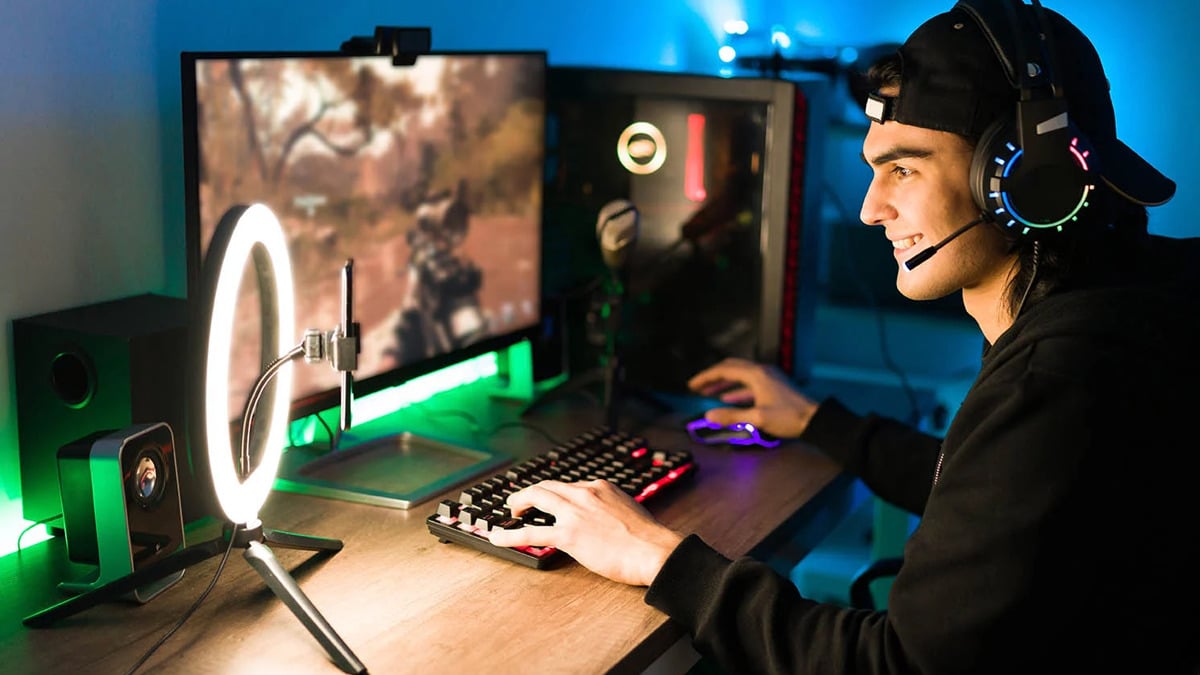
The most essential component of any modern game development toolkit is the game engine, which acts as the core framework upon which the entire game is built.
A. What a Game Engine Actually Does
A game engine is a suite of integrated software tools designed to simplify and accelerate the development of video games.
It provides a pre-built infrastructure for the repetitive, foundational tasks common to almost every game.
Instead of coding the physics system or the graphical renderer from zero, developers use the engine’s optimized, pre-existing modules.
The engine manages everything from handling user input (keyboard, controller) to rendering 3D graphics and simulating real-world physics.
B. Core Components of a Modern Engine
A cutting-edge game engine is packed with multiple, highly specialized subsystems working in concert.
The Rendering Engine (or renderer) is responsible for drawing all the visuals—models, textures, lighting, and effects—onto the screen, often supporting complex techniques like real-time ray tracing.
The Physics Engine simulates how objects behave in the game world, including collision detection, gravity, and material properties.
The Audio Engine manages all sound, music, and voice-overs, including spatial audio features that make sounds seem directionally accurate.
The Scripting/Programming Language interface allows designers to implement game logic, rules, and character behavior using languages like C++ or C#.
The Asset Pipeline handles the import, organization, and optimization of all the game’s assets (models, textures, audio files) created by artists.
C. The Two Titans of the Industry
When discussing game engines, two names dominate the landscape due to their versatility and market share: Unity and Unreal Engine.
1. Unity
Unity is famous for its user-friendliness and broad accessibility, making it a favorite among indie developers and beginners.
It primarily uses the C# programming language, known for its relative ease of learning.
Unity excels in cross-platform deployment, allowing developers to easily target mobile (iOS, Android), desktop, console, and VR/AR devices.
It’s particularly dominant in the mobile and VR/AR market, supporting a massive ecosystem of assets and plugins.
2. Unreal Engine (UE)
Unreal Engine, created by Epic Games, is renowned for its industry-leading graphical fidelity and cinematic rendering capabilities.
It is primarily programmed using C++, but its Blueprints Visual Scripting system allows non-programmers to create complex game logic without writing code.
UE is the engine of choice for many AAA console and PC titles due to its advanced graphics pipeline (like Nanite and Lumen).
Beyond gaming, Unreal Engine is widely used in film production and architectural visualization for its realistic real-time rendering.
D. Notable Alternatives for Specific Needs
Other excellent engines cater to specific niches or development philosophies.
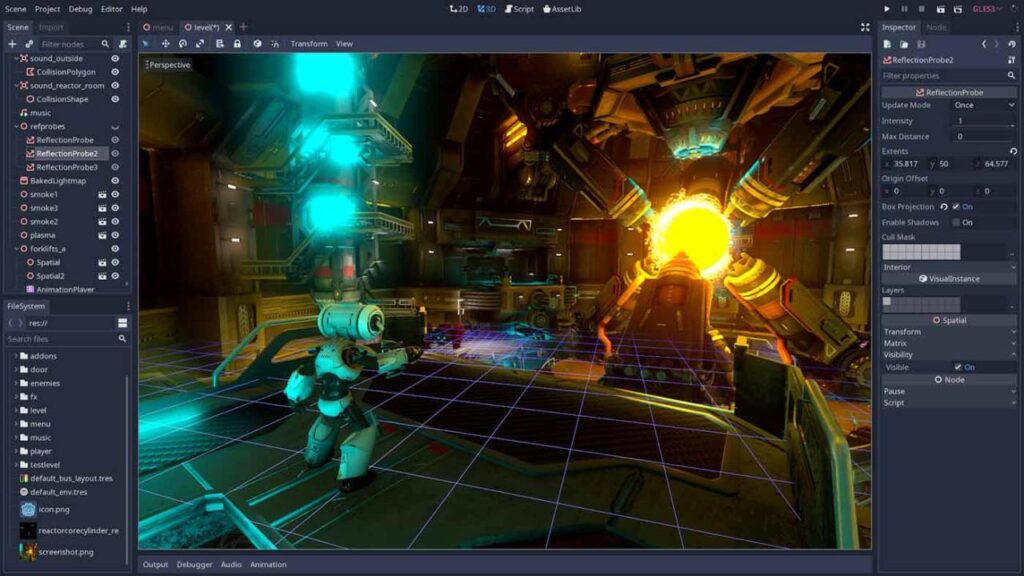
The Godot Engine is an open-source, community-driven engine that offers excellent flexibility for 2D and 3D development, with a royalty-free license.
GameMaker Studio is a popular choice for developers focusing purely on 2D games, utilizing a simple drag-and-drop system.
CryEngine, developed by Crytek, is known for its high-fidelity graphics and exceptional outdoor environments, often competing directly with Unreal in visual quality.
RPGMaker is a simplified, specialized tool dedicated entirely to creating classic-style Role-Playing Games (RPGs), requiring virtually no coding knowledge.
Essential Tools Beyond the Engine
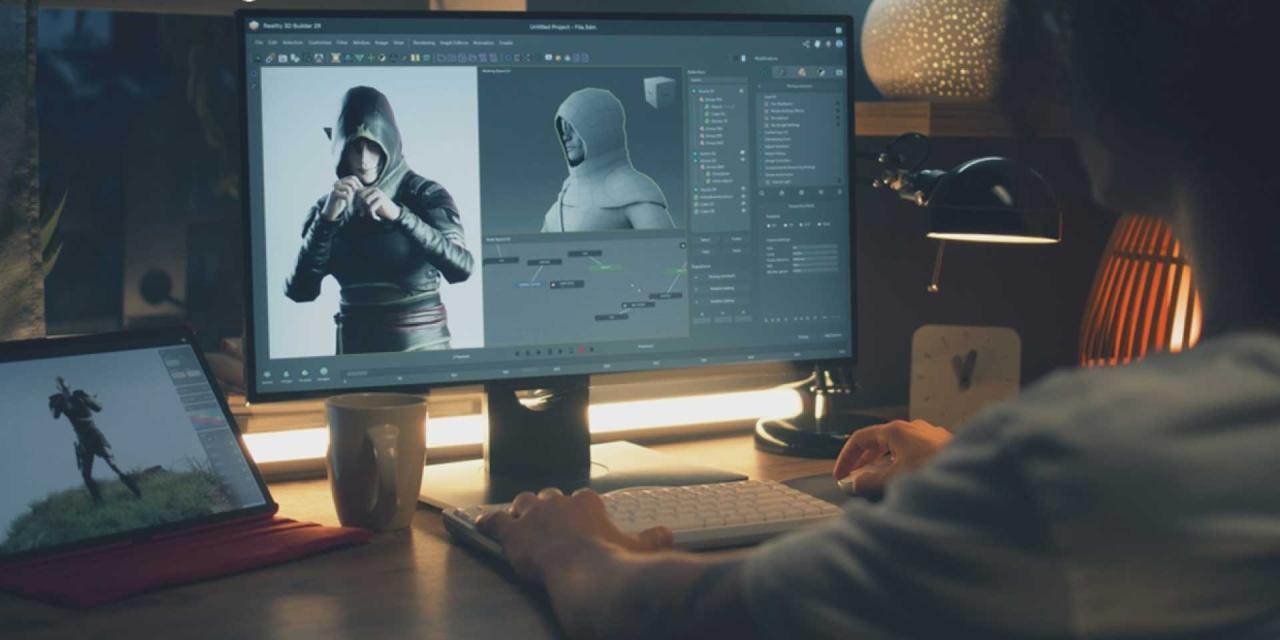
While the game engine is the centerpiece, a completed game requires a vast array of specialized software for creating the assets that fill the world.
A. 3D Modeling and Animation Software
These tools are used by artists to create the characters, props, environments, and animations that populate the game world.
Blender is a powerful, free, and open-source solution offering a complete suite for modeling, sculpting, rigging, and animation.
Autodesk Maya and 3ds Max are industry-standard tools known for their advanced feature sets, particularly in complex character rigging and animation pipelines.
The final models are exported from these programs in formats the game engine can understand, such as FBX.
B. 2D Art and Texture Creation
The visual surfaces of every object in a game, known as textures, must be designed with high precision.
Adobe Photoshop remains the go-to standard for creating and manipulating 2D sprites and textures.
Specialized software like Substance Painter allows artists to paint detailed materials directly onto 3D models, simulating complex surface properties like rust, metal, or cloth.
Illustrator or similar vector programs are used for creating crisp, scalable elements for the game’s user interface (UI).
C. Audio Workstations
A game is incomplete without sound effects, music, and voice acting, all managed by dedicated audio software.
Digital Audio Workstations (DAWs) like Pro Tools or Ableton Live are used by sound designers and composers to create, edit, and mix the game’s audio tracks.
Specialized middleware like Wwise or FMOD is often used to integrate the audio files into the game engine, controlling when and how sounds are triggered dynamically during gameplay.
D. Source Control and Collaboration Tools
For teams of any size, managing code and assets is a huge logistical challenge, which is solved by source control software.
Tools like Git or Perforce track every change made to the project files, allowing multiple developers to work on the same project simultaneously without overwriting each other’s work.
This system enables teams to revert to previous versions of the game instantly, which is vital for debugging and risk management.
The Game Development Pipeline: A Process Overview
Creating a video game is a structured, iterative process divided into several distinct stages, all relying on the chosen software toolkit.
A. Planning and Conceptualization (Pre-Production)
This initial stage is where the core idea of the game is conceived and solidified.
The team defines the target audience, genre, platform, budget, and timeline.
A comprehensive Game Design Document (GDD) is written, detailing every aspect of the game from story to mechanics.
This phase heavily uses documentation software and planning tools like Trello or Jira to organize tasks.
B. Prototyping and Technical Design
The team creates a small, bare-bones version of the game to test the central gameplay mechanics.
This prototype, built rapidly within the chosen game engine, validates whether the core idea is fun and technically feasible.
The Technical Design Document is finalized, specifying the required programming languages, engine features, and hardware specifications.
Programmers begin setting up the engine’s folder structure, fundamental code architecture, and essential tools.
C. Production: The Main Build Phase
This is the longest and most intense phase where the majority of the game is built piece by piece.
Level Designers use the engine’s editor tools to construct environments and place objects.
Game Programmers implement complex features, AI, user interfaces, and network functionality.
Artists use 3D and 2D software to create all the visual assets, which are then integrated into the engine.
This phase requires continuous collaboration and asset management using the source control system.
D. Alpha, Beta, and Quality Assurance (QA)
The Alpha milestone means the game is feature-complete; all content is in, but it’s likely very buggy and unpolished.
The Beta milestone marks content lock, where the focus shifts entirely to bug fixing, performance optimization, and polishing.
Quality Assurance (QA) Testers rigorously play the game, logging bugs in tracking software like Bugzilla or Jira, ensuring a stable, enjoyable experience.
Optimization tools within the engine are used heavily to ensure the game runs smoothly on all targeted hardware.
E. Gold Master, Launch, and Post-Launch
The Gold Master (GM) is the final, ready-to-ship version of the game.
The engine’s deployment tools are used to compile the final build for the specific platform (Steam, PlayStation, iOS App Store, etc.).
The Post-Launch phase involves monitoring player feedback, releasing patches to fix newly discovered bugs, and potentially creating downloadable content (DLC) or updates, restarting the cycle with new production tasks.
The Power of Visual Scripting and Accessibility
Modern game development software has dramatically lowered the barrier to entry, largely thanks to the rise of visual scripting.
A. Code-Free Game Logic
Visual scripting tools, such as Unreal Engine’s Blueprints and Unity’s Bolt (Unity Visual Scripting), allow users to create complex gameplay logic without writing traditional text-based code.
Logic is created by connecting pre-made nodes or blocks that represent programming functions.
This opens up game design to individuals with strong creative vision but limited programming experience, such as artists or level designers.
B. Tools for 2D Simplicity
Engines focused purely on 2D development often include highly simplified drag-and-drop interfaces.
Software like Construct 3 or Stencyl makes it possible for students or hobbyists to create and export simple games very quickly.
These tools abstract away much of the underlying complexity, allowing creators to focus almost entirely on game design and assets.
C. The Proliferation of Free and Open-Source Options
Many of the most powerful game development tools, including Unity Personal, Unreal Engine, and Blender, offer robust versions that are completely free to use until a certain revenue threshold is met.
This model empowers independent developers and students with access to industry-standard tools, fostering innovation and a strong developer community.
The open-source nature of Godot allows anyone to inspect and modify the engine’s source code, offering maximum flexibility and transparency.
Careers Forged by Development Software
The skills required to master game development software translate into a wide range of highly specialized and rewarding careers.
A. Programming Roles (The Coders)
Gameplay Programmers use the engine’s scripting language to implement core mechanics, player controls, and game logic.
Engine Programmers focus on optimizing and expanding the core engine itself, often specializing in rendering or physics.
AI Programmers craft the complex logic that governs non-player character (NPC) behavior and pathfinding.
Tools Programmers create custom software and editor extensions to streamline the workflow for the rest of the development team.
B. Art and Design Roles (The Creators)
Game Designers use the engine’s level editors and visual scripting to prototype and balance the game’s rules and challenges.
Level Designers focus on using the engine’s environment tools to build aesthetically pleasing and functionally engaging maps.
3D/Environment Artists use modeling software (like Blender or Maya) to create high-fidelity assets that are imported into the engine.
Technical Artists bridge the gap between art and programming, creating shaders and optimizing art assets to run efficiently within the engine’s constraints.
C. Production and Management Roles (The Organizers)
Producers and Project Managers rely on collaboration software (like Jira, Asana) to track milestones, manage budgets, and coordinate the vast, diverse team of specialists.
Quality Assurance (QA) Testers use bug tracking software to report and verify fixes, ensuring the final product meets a high standard of quality.
Audio Engineers work with sound middleware (like Wwise) integrated into the engine to implement the final audio mix and sound triggers.
Conclusion
Game development software is the indispensable foundation for the entire video game industry.
The game engine provides the core technological framework, managing everything from graphics rendering to physics simulation.
Titans like Unity and Unreal Engine lead the field, offering distinct advantages for different types of projects and budgets.
Specialized creative tools for 3D modeling and audio design are equally vital for asset creation.
The modern development process is a structured, multi-stage pipeline that relies on disciplined project management.
Visual scripting systems have democratized game creation, inviting artists and designers with limited coding experience to participate.
The array of professional roles in the industry is a testament to the complexity and specialization of these software tools.
Future trends point toward cloud-based development and deeper integration of AI to further streamline creation.
The software continues to evolve, promising even more realistic, vast, and innovative game experiences in the years to come.
This powerful toolset is truly responsible for turning creative visions into playable realities.